
This page honours the knowledge, wisdom, and lived experiences of Coast Salish Elders who have dedicated their lives to preserving and sharing their culture. Through their stories, teachings, and reflections, visitors are invited to learn about the values, traditions, and ways of knowing that have been passed down through generations.
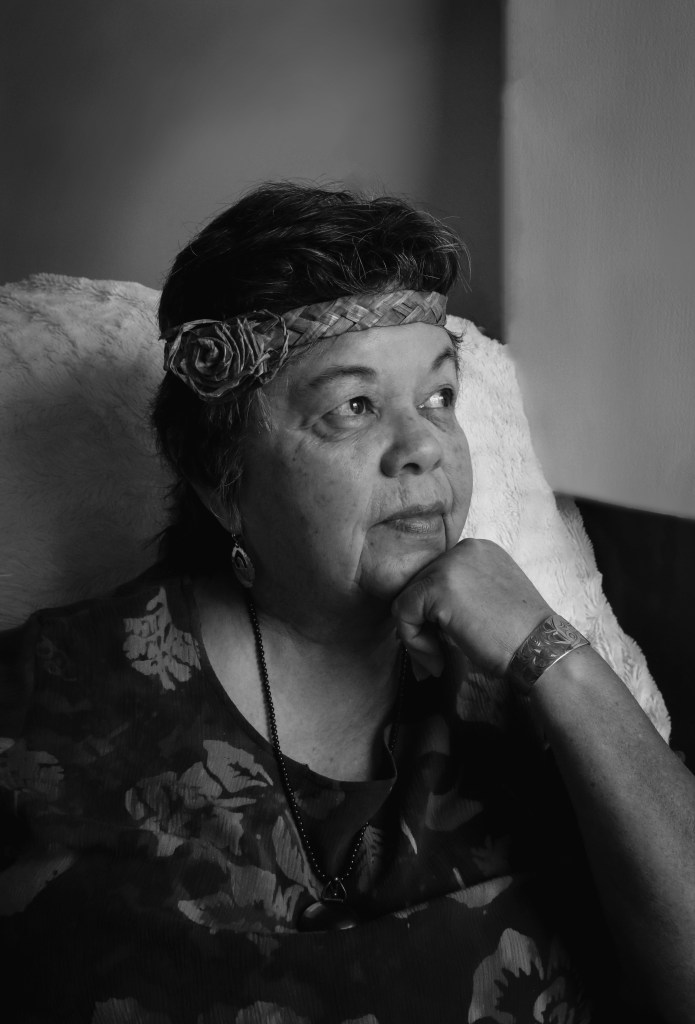
Elder Jane Marston
“Never Lie“
We Recently started asking Elders what the most important lessons they were taught and what would they pass down to youth today. Starting with Jane Marston we asked “What was the most important lesson that your mom taught you” and without hesitation she responded with never lie.
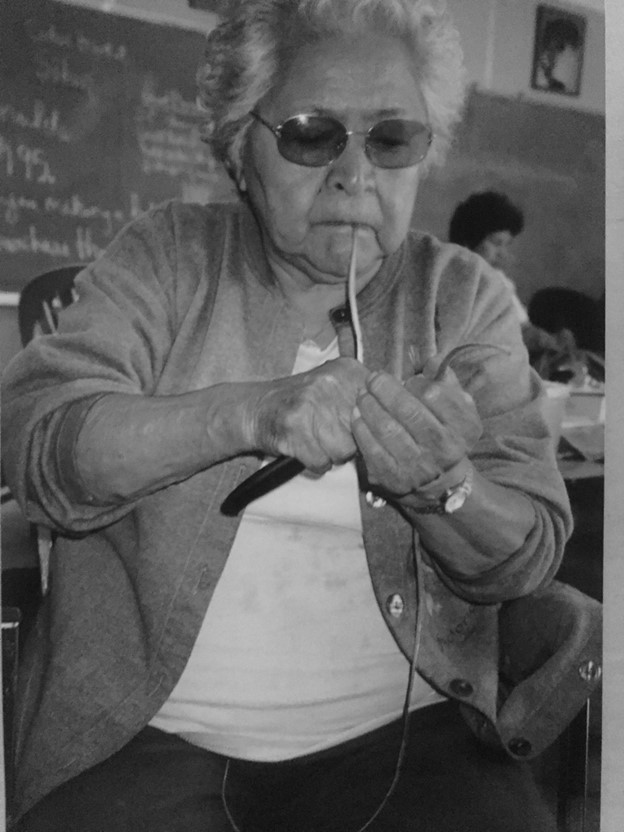
Minnie Peters
“Get to work and get the job done“
One of the first cedar root coil weaving workshops we hosted was with elder Minnie Peters. She taught us to get to work and get the job done. We asked her about cedar slats and she got up and said “come on lets go, I’ll teach you right now”.
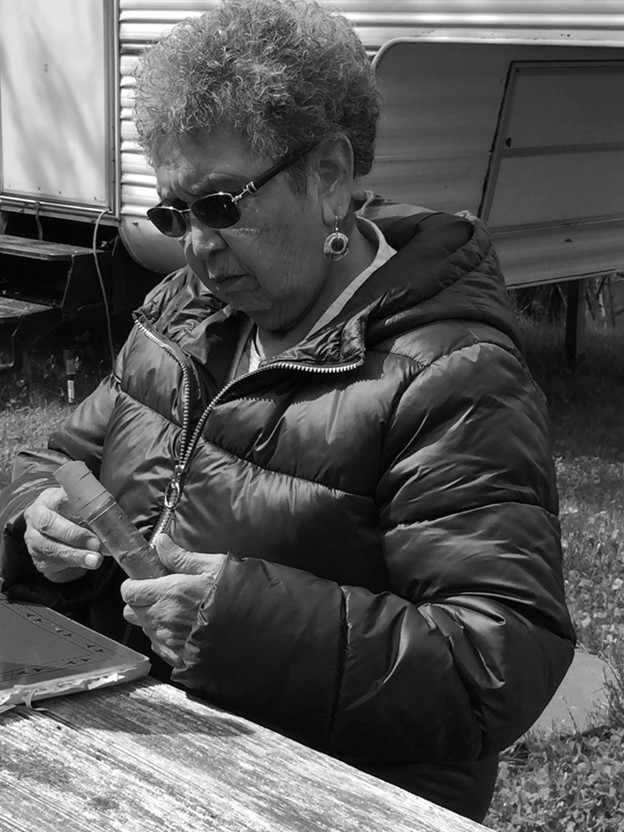
Elder Florence
“Take control of your health and keep your mind and body strong”
While interviewing Elder Florence she shared with us the importance of taking control and taking care of our minds and bodies.
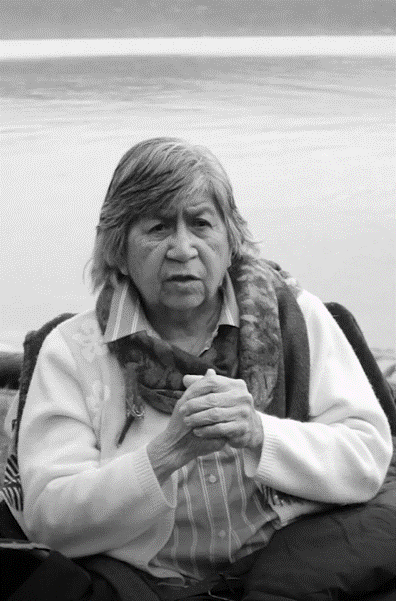
Elder May Sam
“Pray With a Good Heart“
An interview with May Sam she shared with us the importance of praying with a good heart. Not holding onto grudges as it will create disease in the body.
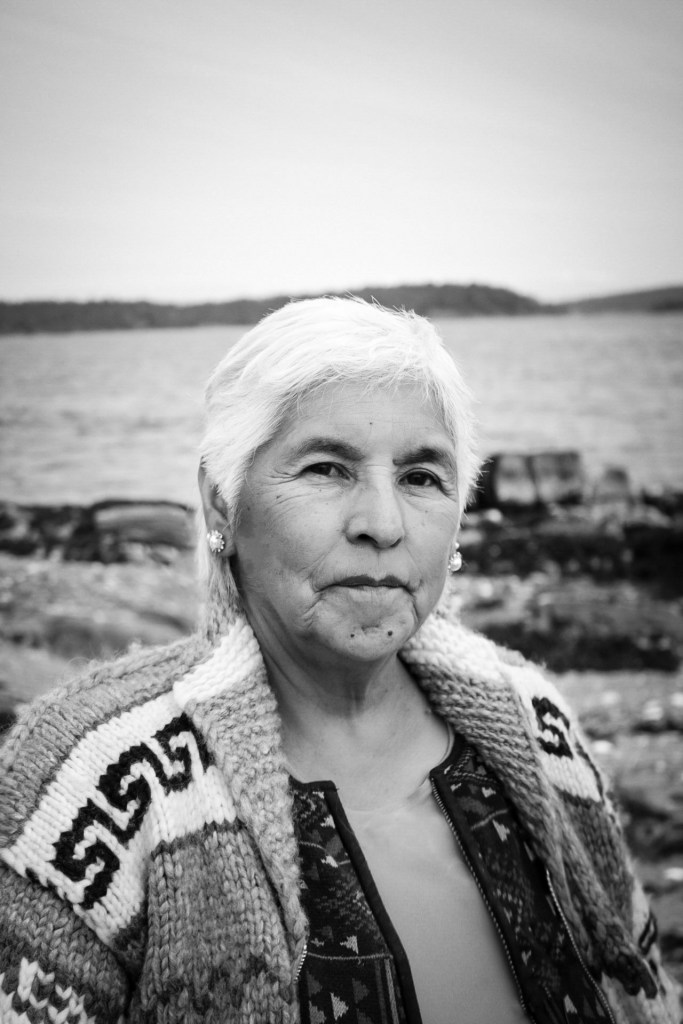
Elder Florence James
“Know who you are and where you come from”
A visit with Florence she taught us where our family is from and where we come from. This is especially important for youth who are find their way in the world.
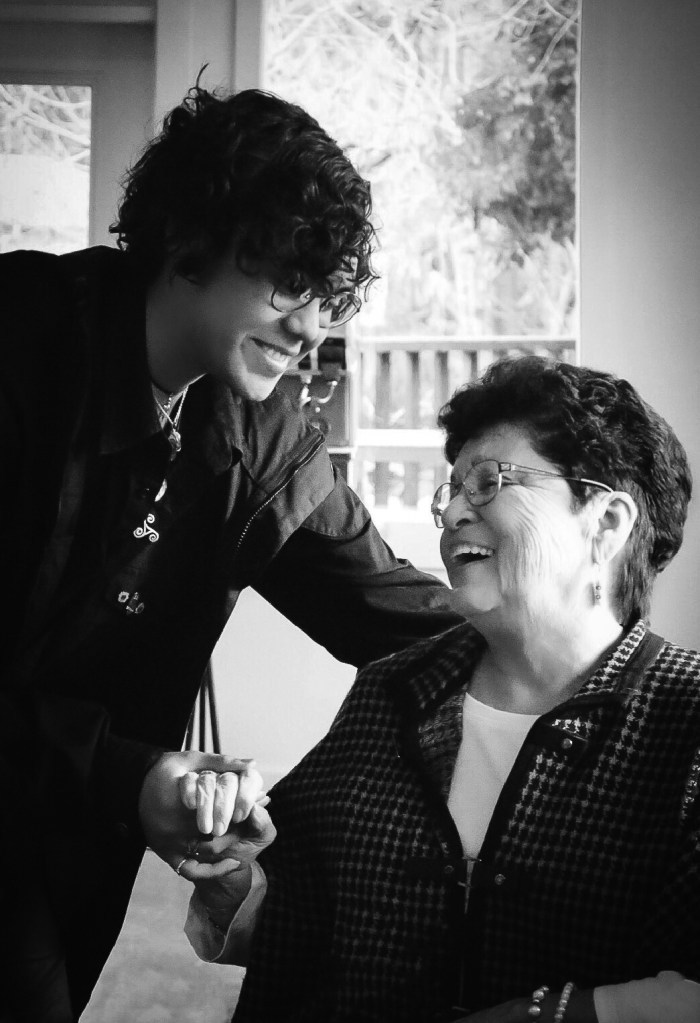
Elder Shirly Karr
“Know You Are Loved”
One of the most beautiful women in our circle Elder Shirly Karr teaches us that we all have beauty and are important.
Fishing Through Memory: A Coast Salish Elder’s Story
This short film shares the powerful memories of a Coast Salish Elder Jane Marston reflecting on her family’s fishing traditions during the 1940s and 50s. Through personal storytelling, she recounts a time when fishing was not simply a means of gathering food, but a way of life deeply connected to family, culture, identity, and the seasonal rhythms of the Ocean.
Jane describes travelling with her family to traditional fishing grounds throughout and around Vancouver Island, where knowledge of the tides, salmon runs, and the natural environment was passed from one generation to the next.
She also speaks about the profound changes brought by the Department of Fisheries during the mid-20th century. Through increasing regulations, licensing systems, and restrictions on access to traditional fishing locations. These policies disrupted cultural practices, limited opportunities to pass on traditional knowledge, and altered longstanding relationships with the land and waters.

